
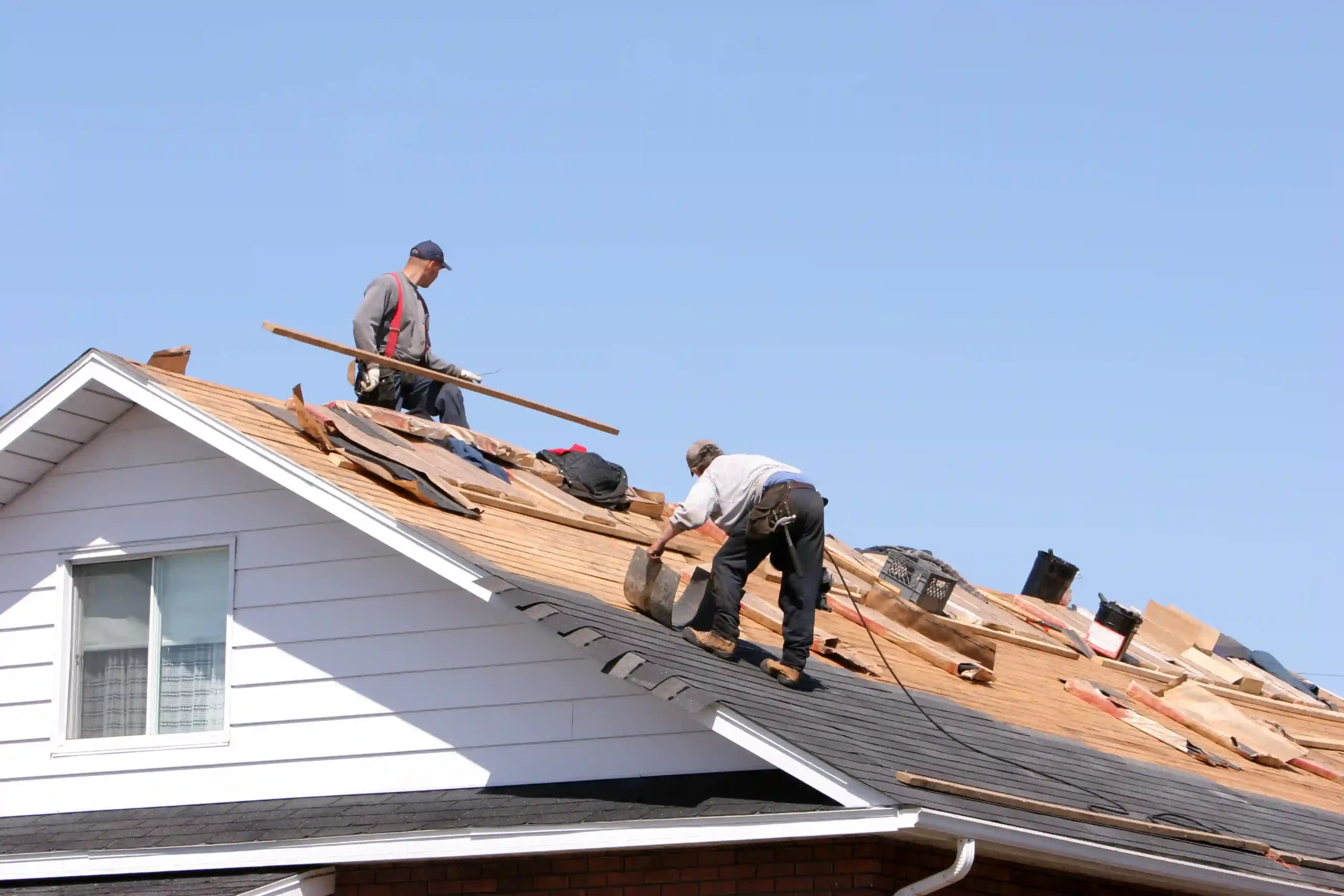
Effective planning is an essential component in minimizing the costs associated with business roof replacements. By understanding the intricacies of roof maintenance and timing replacements strategically, companies can greatly reduce expenses. Key considerations include the selection of materials and the timing of replacement projects. Additionally, budgeting and financing options play an important role in managing overall costs. Exploring these factors reveals opportunities for considerable savings that businesses should not overlook.
Key Takeaways
- Schedule roof replacements during off-peak seasons to take advantage of lower labor and material costs.
- Conduct regular inspections to identify issues early, minimizing extensive repairs and replacement needs.
- Choose high-quality materials to extend roof lifespan and reduce long-term replacement frequency.
- Obtain multiple contractor quotes to ensure competitive pricing and informed decision-making.
- Plan replacements before severe weather to prevent additional damage and associated costs.
Understanding the Importance of Roof Maintenance
How does proper roof maintenance impact the overall lifespan and cost-effectiveness of a business’s roofing system? Regular maintenance plays an essential role in extending the life of a roof while minimizing replacement costs. By identifying potential issues early, businesses can avoid costly repairs that arise from neglect. Factors such as material quality, installation methods, and environmental conditions greatly influence what factors affect the cost of roof replacement. A well-maintained roof not only protects the building but also contributes to energy efficiency, ultimately lowering operational expenses. In addition, routine inspections and timely repairs foster a sense of community among business owners, encouraging collective responsibility for maintaining shared spaces. Consequently, proactive maintenance is vital for safeguarding investments and ensuring long-term financial viability.
Key Factors That Affect the Cost of Roof Replacement
Understanding the key factors that affect the cost of roof replacement is essential for businesses planning significant renovations or upgrades. Several variables contribute to overall expenses, including the size and slope of the roof, which directly influence labor and material needs. Geographic location plays a role as well; local labor rates and building codes can vary. The existing roofing condition also impacts costs, as extensive repairs may be necessary prior to replacement. Additionally, seasonality can affect pricing strategies, with peak times often leading to higher costs. Finally, the complexity of the installation—such as the presence of skylights or chimneys—can further escalate expenses. Recognizing these factors equips businesses to make informed, strategic decisions regarding their roofing projects.

The Role of Material Selection in Cost Management
Material selection plays a significant role in managing roof replacement costs for businesses. Choosing high-quality materials can lead to longer-lasting roofs, reducing the frequency of replacements. For instance, while asphalt shingles may have a lower initial cost, materials like metal or slate often provide better durability and energy efficiency over time. This decision impacts not only the upfront expense but also long-term operational costs, such as energy savings and maintenance. Additionally, environmentally friendly options may qualify for tax incentives, further offsetting expenses. Businesses must evaluate the total lifecycle cost of materials, weighing initial outlay against longevity and performance. Ultimately, informed material selection aligns with strategic financial management, addressing the question, “What factors affect the cost of roof replacement?”
Timing Your Roof Replacement for Cost Efficiency
Timing a roof replacement can greatly influence the overall cost efficiency for businesses, especially when strategic planning aligns with market conditions and seasonal factors. Conducting replacements during off-peak seasons often results in lower labor costs and materials pricing. For instance, roofing contractors may offer discounts during winter or early spring when demand is low. Additionally, scheduling a replacement before severe weather occurs can prevent further damage to existing roofs and avoid emergency repair costs. Businesses should also consider local economic conditions, as fluctuations in material availability can greatly impact pricing. By taking these factors into account, companies can better understand what factors affect the cost of roof replacement and make informed decisions that enhance their financial outcomes.
Budgeting and Financing Options for Roof Replacement
While many businesses recognize the importance of roof replacement, few adequately prepare for the financial implications involved. Understanding budgeting and financing options is essential for mitigating costs. Companies should begin by evaluating their financial situation, setting a realistic budget that accounts for both immediate expenses and long-term maintenance. Exploring financing options, such as loans or leasing, can provide flexibility and alleviate cash flow concerns. Additionally, businesses should consider securing multiple quotes from contractors to compare costs, ensuring they are making informed decisions. Factors affecting the cost of roof replacement include materials, labor, and the roof’s complexity. By strategically planning and budgeting, businesses can greatly reduce the financial burden associated with this vital investment.
Frequently Asked Questions
How Do Weather Conditions Impact Roof Replacement Costs?
Weather conditions greatly impact roof replacement costs; extreme temperatures, heavy precipitation, and storms can delay projects, increase labor expenses, and complicate material installation, ultimately leading to higher overall costs for businesses needing timely roof replacements.
Can DIY Efforts Reduce Overall Roof Replacement Expenses?
DIY efforts can potentially reduce overall roof replacement expenses by minimizing labor costs. However, the quality of materials and expertise required for proper installation are critical factors that can ultimately affect the project’s success and longevity.
What Permits Are Needed for Roof Replacement Projects?
Permits required for roof replacement projects typically include building permits, zoning permits, and possibly historical preservation permits. These requirements vary by local regulations, emphasizing the importance of thorough research and compliance before initiating any roofing project.
How Often Should Businesses Schedule Roof Inspections?
Businesses should schedule roof inspections at least twice annually, ideally in spring and fall. Regular assessments help identify potential issues early, ultimately contributing to longevity and cost-effectiveness in maintaining the roof’s overall health and integrity.
Are There Tax Deductions for Roof Replacement Expenses?
Tax deductions for roof replacement expenses are available under certain conditions. Businesses can typically deduct these costs if the replacement improves the property’s value or extends its life, aligning with IRS guidelines for capital improvements.
Conclusion
To summarize, effective planning is pivotal in minimizing roof replacement costs for businesses. By prioritizing regular maintenance, carefully selecting materials, and timing replacements strategically, organizations can greatly enhance cost efficiency. Additionally, exploring diverse financing options enables businesses to manage their budgets more effectively. Ultimately, a proactive approach not only safeguards the integrity of the roof but also contributes to long-term financial savings, underscoring the critical nature of careful planning in the overall roof management strategy.
You May Also Like To Read:
